
Most small and mid-sized businesses generate more data than they realise. Customer interactions, sales transactions, inventory movements, service requests, website visits. Every business process creates information.
The problem isn't data scarcity. It's data utilisation.
Information sits in systems, unexamined and unused. Patterns go unnoticed. Trends remain invisible. Opportunities hide in plain sight because no one looks at what the data reveals.
The Unused Asset
Businesses collect data by default. Point-of-sale systems track transactions. CRM tools log interactions. Email platforms record response patterns. Website analytics capture visitor behaviour.
This information exists whether anyone examines it or not. The difference between businesses that thrive and those that struggle increasingly comes down to whether they extract insight from information they already possess.
What customer segments generate the most profit? Which products show declining interest before sales drop? What service issues predict customer departure? Which marketing channels deliver real returns?
The data to answer these questions often exists. It just isn't being analysed.
Why Data Goes Unused
Time scarcity tops the list. Running daily operations consumes available hours. Data analysis feels like a luxury when immediate demands press.
Technical barriers create obstacles. Data sits in multiple systems that don't connect easily. Extracting and combining information requires skills many small businesses lack.
Analysis paralysis strikes when faced with too much information. Everything seems potentially important. Nothing is clearly actionable.
Lack of analytical skills limits utilisation. Many business owners know data matters, but not how to make it useful.
What Gets Missed
Customer behaviour patterns remain invisible. Early warning signs of dissatisfaction go unnoticed until customers leave. Upsell opportunities pass unrecognised. The most valuable customer segments aren't identified.
Operational inefficiencies persist. Processes that waste resources continue because no one measures their actual cost. Bottlenecks remain unidentified.
Market shifts get discovered late. Changes in customer preferences show up in data before they manifest as obvious sales declines. By the time changes become obvious, competitive advantages are already claimed.
Pricing stays guesswork. Data reveals price sensitivity and discount effectiveness. Without analysis, pricing remains based on instinct.
Resource allocation lacks grounding. Marketing spend, inventory investment, and hiring decisions happen without data validation.
Making Data Useful
Data utilisation doesn't require sophisticated analytics teams or expensive platforms. It starts with focused attention on specific questions.
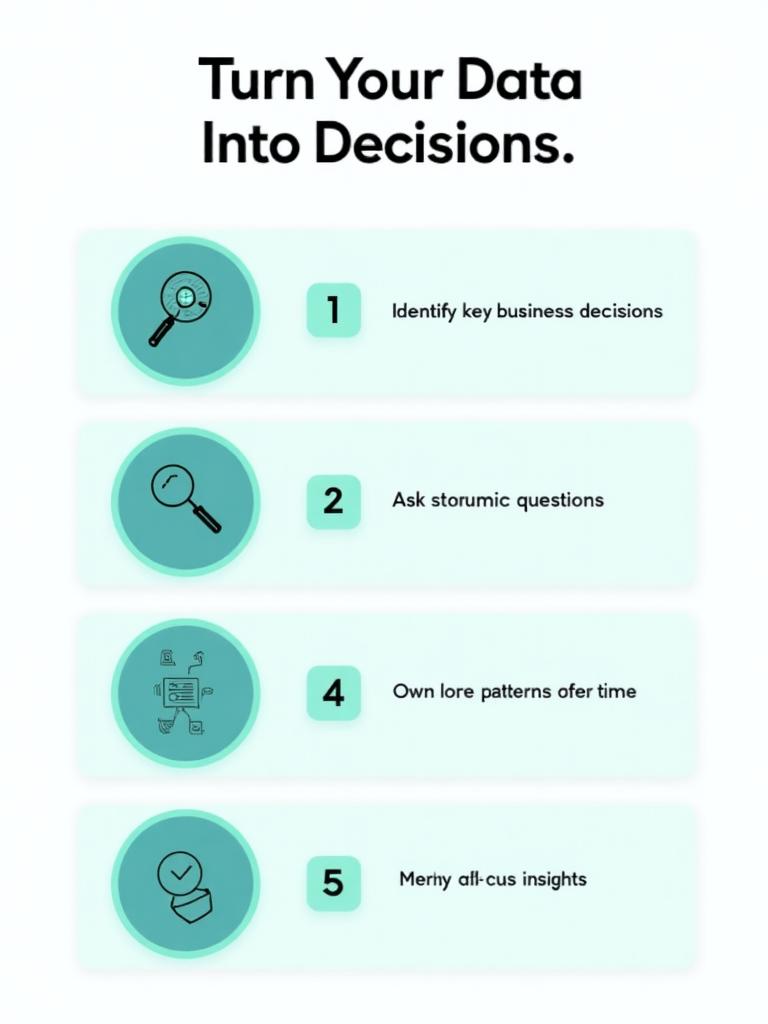
Identify decisions that most impact business success. Customer retention, inventory management, marketing effectiveness, pricing strategy. Focus data efforts where results matter most.
Start simple. Basic analysis of existing data beats complex analysis that never gets implemented.
Ask specific questions. "Which customers are most profitable?" is answerable. "What does our data tell us?" is too broad.
Look for patterns over time. Single data points mean little. Trends over weeks or months reveal what's actually happening.
Combine different data sources. Sales data alone tells part of the story. Sales, customer service interactions, and website behaviour together create a fuller understanding.
Focus on leading indicators. Customer inquiry volume before sales. Service issue frequency before cancellations. Website traffic quality before conversion rates. Leading indicators enable proactive response instead of reactive scrambling.
Act on insights. Analysis without action wastes effort. The value comes from changing decisions based on what data reveals.
The Competitive Gap
The gap between businesses that use their data and those that don't widens over time. Better decisions compound into better results. Small advantages accumulate into sustainable competitive positions.
The data already exists. The question is whether it's informing decisions or just taking up storage space.
Ready to understand your data readiness? Explore business automation and digital services, see how AI helps small businesses use their data, or our AI Readiness Services include assessment of your data foundation and practical next steps.